
Introduction
A logo is much more than just a symbol or a graphic mark. It is the face of a brand, the first visual element people recognize, and the foundation of brand identity. In 2025, when consumers are exposed to thousands of brands every day, a strong logo is essential for standing out and building trust.
Many beginners believe logo design is about choosing a font and an icon. In reality, logo design is a strategic process that combines research, creativity, psychology, and consistency. A well-designed logo communicates a brand’s values, personality, and promise in just a few seconds.
In this complete guide, you will learn:
- What logo design really means
- Why a logo is important for branding
- Types of logos
- Core principles of effective logo design
- The complete logo design process step by step
- Common logo design mistakes
- Tips to create a timeless logo
This blog is perfect for graphic design beginners, freelancers, brand owners, and students.
What Is Logo Design?
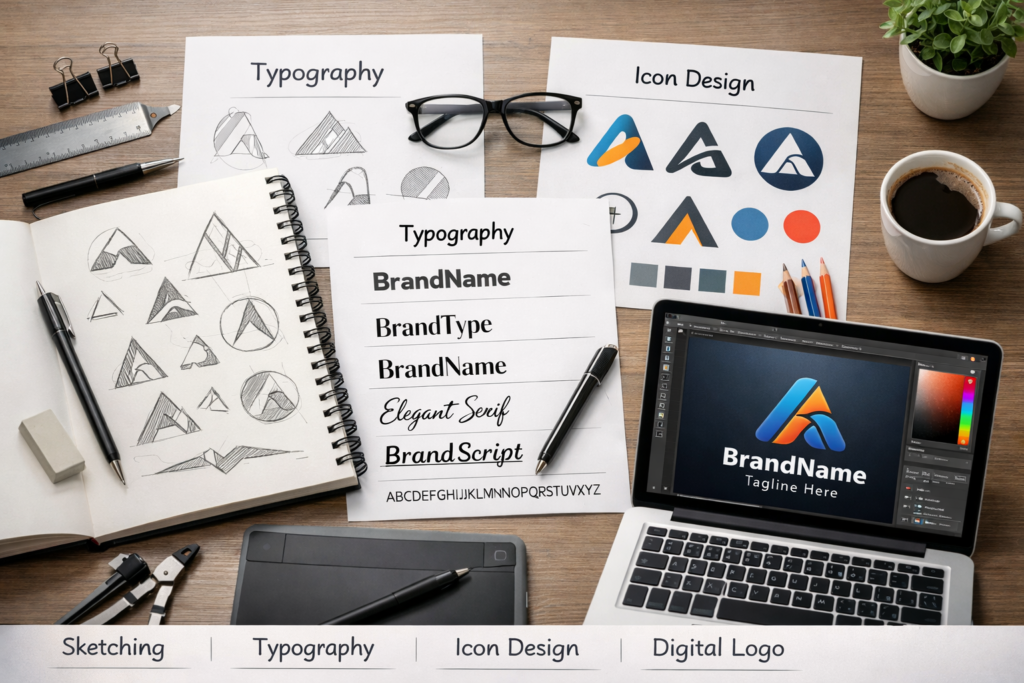
Logo design is the process of creating a unique visual mark that represents a brand, company, product, or individual. A logo helps people identify and remember a brand easily.
A good logo:
- Is simple
- Is memorable
- Is versatile
- Reflects the brand personality
- Works across all platforms
A logo is not just decoration-it is a visual communication tool.
Why Is Logo Design So Important?
A logo plays a critical role in branding and marketing.
Key Reasons Logos Matter
- Creates a strong first impression
- Builds brand recognition
- Communicates professionalism
- Differentiates from competitors
- Builds emotional connection
In 2025, consumers trust brands that look consistent and professional. A poorly designed logo can damage credibility instantly.
Types of Logos
Before designing a logo, it’s important to understand the different types.
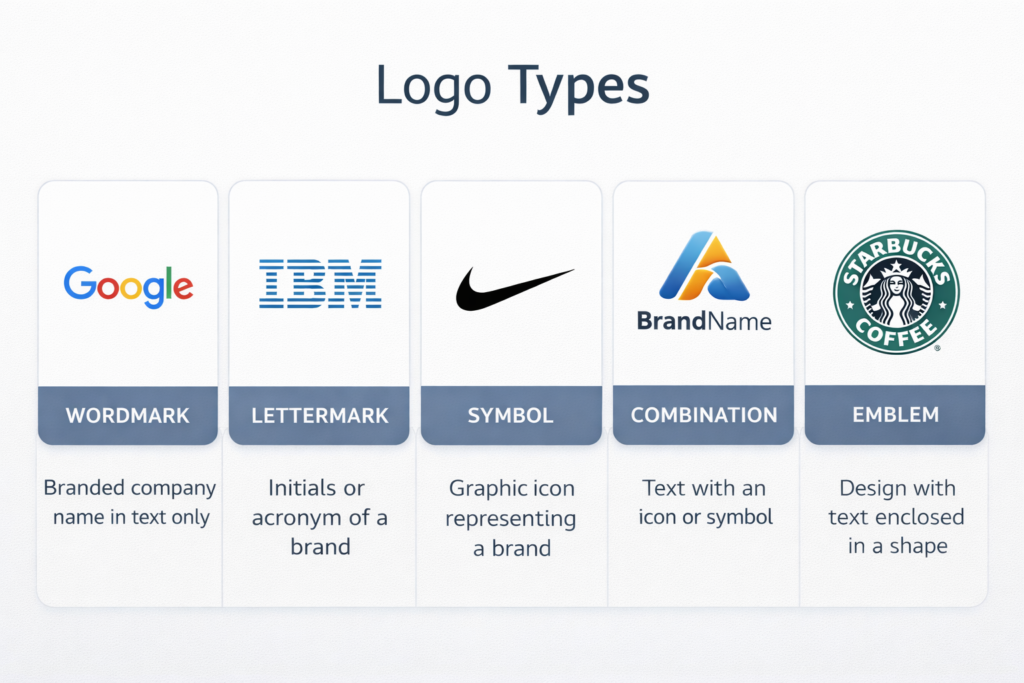
1. Wordmark Logos
Logos made using only text.
- Example: Brand name in a custom font
- Best for brands with unique names
2. Lettermark Logos
Logos using initials.
- Best for long brand names
3. Symbol or Icon Logos
Visual symbols without text.
- Requires strong brand recognition
4. Combination Logos
Text + symbol together.
- Most popular and versatile
5. Emblem Logos
Text inside a shape or badge.
- Often used by institutions
Principles of Effective Logo Design
Great logos follow timeless design principles.
1. Simplicity
Simple logos are easier to recognize and remember.
2. Memorability
A logo should be unique and distinctive.
3. Versatility
A logo must work:
- In color and black & white
- On digital and print
- On large and small sizes
4. Relevance
The logo should match the brand’s industry and audience.
5. Timelessness
Avoid overusing trends that will quickly feel outdated.
The Complete Logo Design Process (Step by Step)
Step 1: Understand the Brand
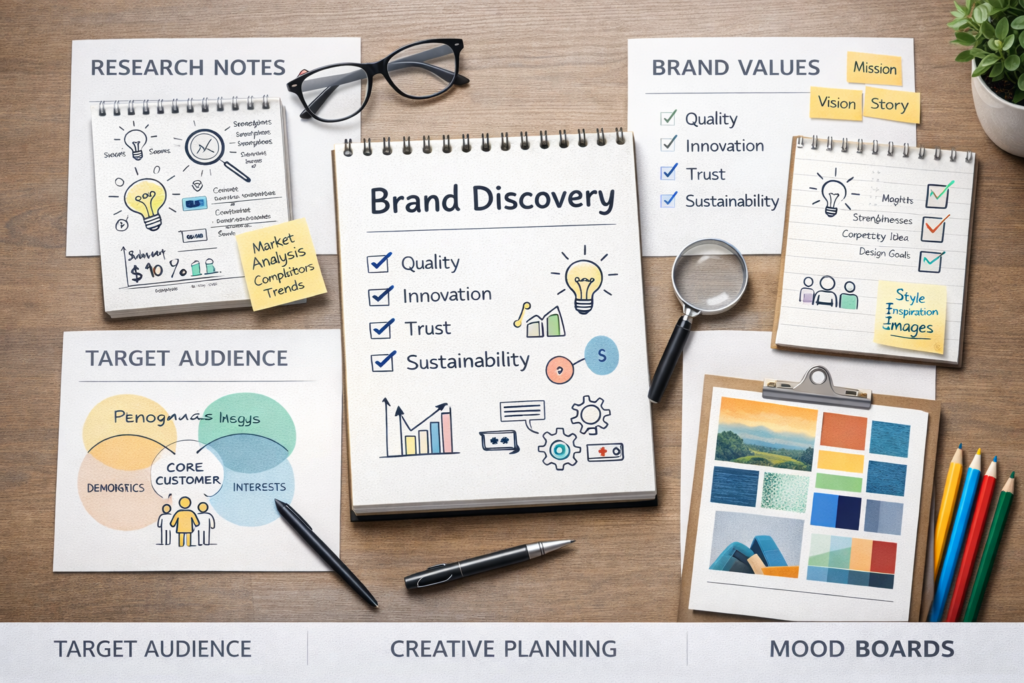
Before designing anything, you must understand the brand deeply.
Ask Key Questions
- What does the brand do?
- Who is the target audience?
- What are the brand values?
- What personality should the logo reflect?
This step forms the foundation of the entire design.
Step 2: Research & Inspiration
Research helps you design strategically, not randomly.
What to Research
- Competitors’ logos
- Industry standards
- Design trends
- Color psychology
The goal is not to copy, but to identify gaps and opportunities.
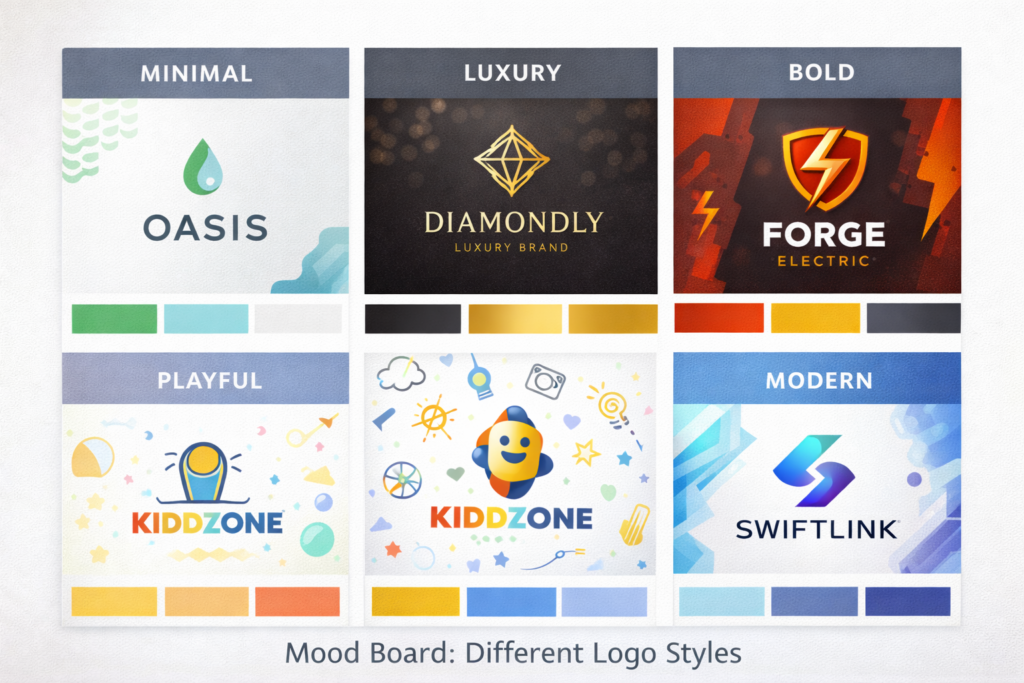
Step 3: Define Logo Style Direction
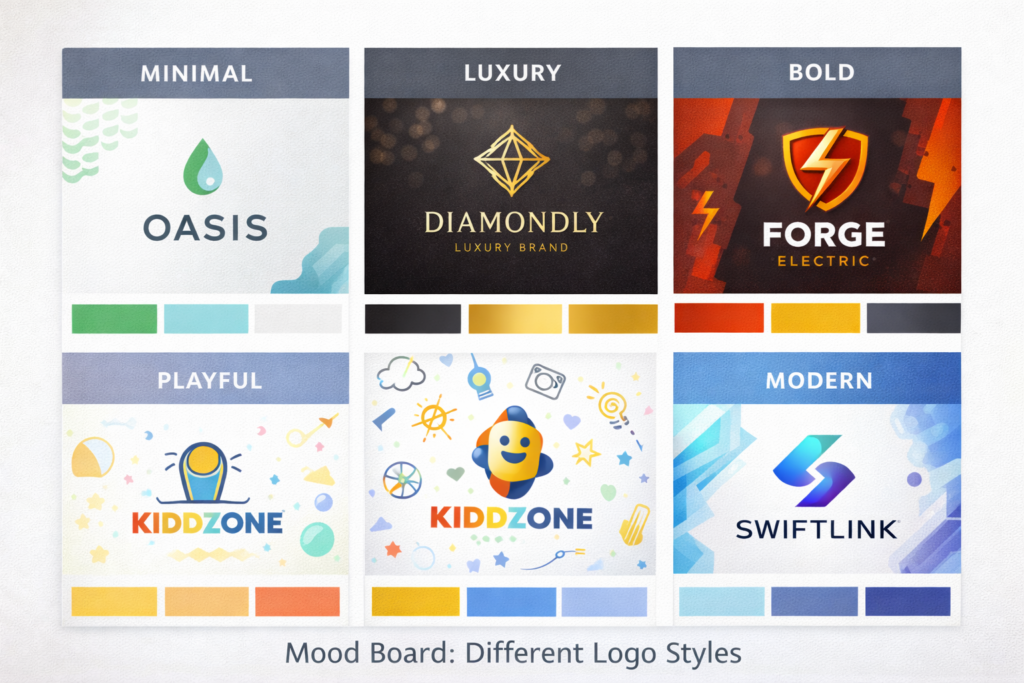
Decide the overall look and feel.
Common Style Directions
- Minimal & modern
- Elegant & premium
- Bold & energetic
- Friendly & playful
- Professional & corporate
This helps keep the design consistent.
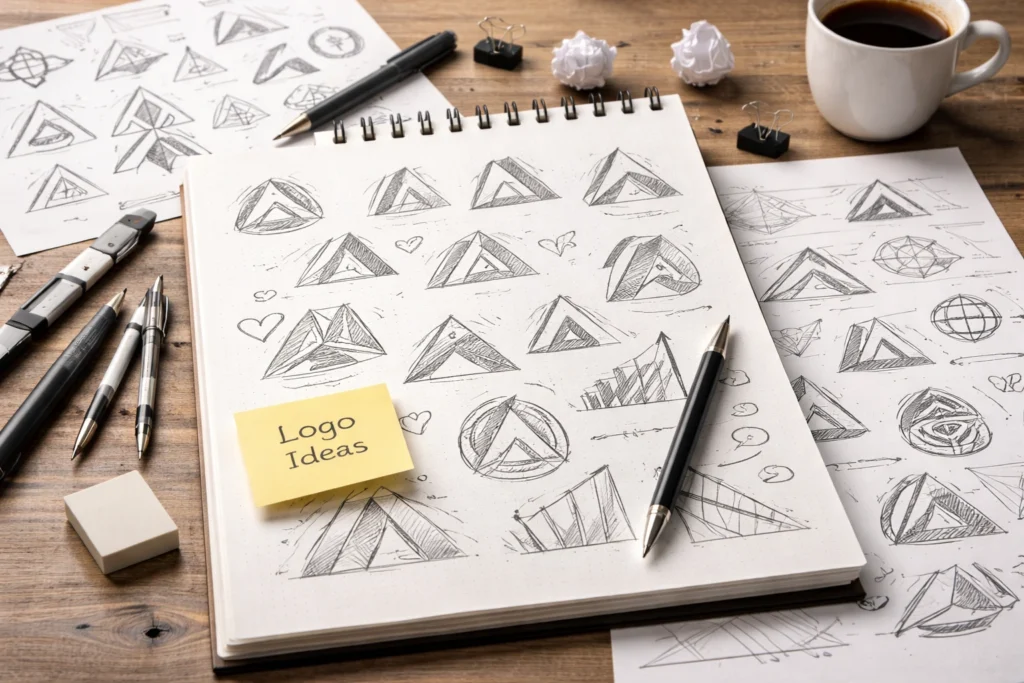
Step 4: Sketch Logo Concepts
Sketching helps generate ideas quickly.
Why Sketching Matters
- Encourages creativity
- Allows experimentation
- Saves time in digital stage
You don’t need perfect drawings-just rough concepts.
Step 5: Choose Typography Carefully
Typography is a major part of logo design.
Common Font Categories
- Serif – traditional, professional
- Sans-serif – modern, clean
- Script – elegant, artistic
- Display – bold, unique
Fonts should match the brand personality.
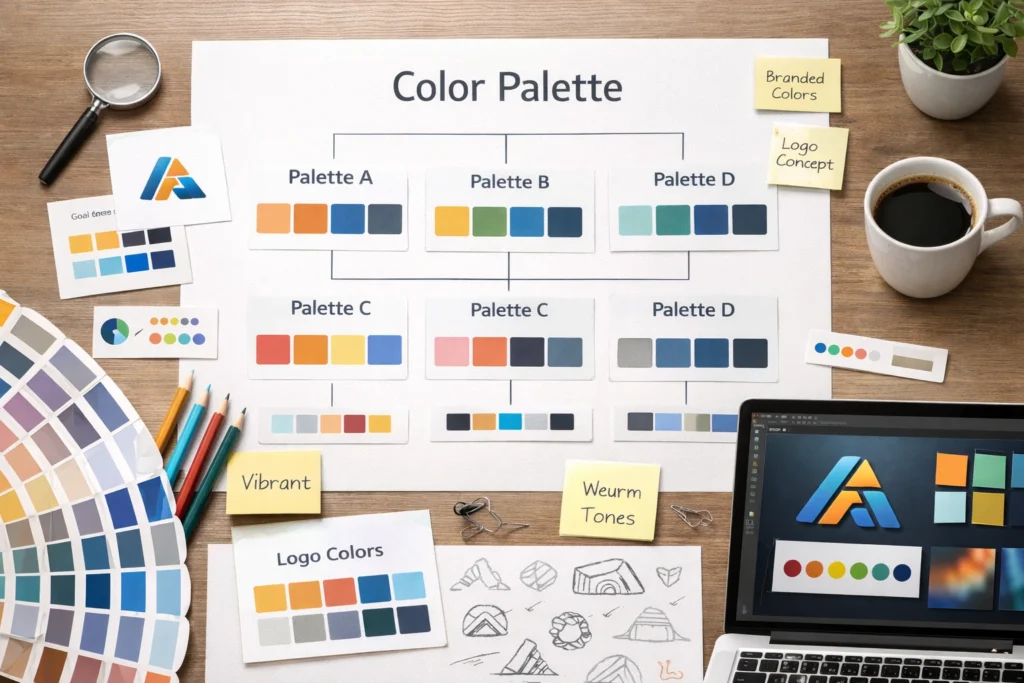
Step 6: Select the Right Colors
Colors communicate emotions instantly.
Color Considerations
- Industry expectations
- Target audience
- Brand personality
- Contrast and readability
Always test logos in black and white first.
Step 7: Create Digital Logo Concepts
Now move to design software.
Best Practices
- Use vector-based tools
- Start with black and white
- Focus on balance and alignment
Create multiple logo options.
Step 8: Test Logo Versatility
Test your logo in real-world situations:
- Website header
- Social media profile
- Business card
- Packaging
A good logo should look great everywhere.
Step 9: Get Feedback & Refine
Feedback helps improve clarity.
Who to Ask
- Client
- Team members
- Target users
Refine the logo based on constructive feedback.
Step 10: Finalize & Deliver Logo Files
Once approved, prepare final files.
Deliverables Should Include
- Vector files
- PNG and JPG
- Black & white versions
- Color codes
- Logo usage guidelines
This ensures consistent brand usage.
Common Logo Design Mistakes to Avoid
Many beginners make these mistakes:
- Overcomplicating the design
- Using too many colors
- Copying trends blindly
- Poor font choice
- Ignoring scalability
Avoiding these mistakes leads to professional results.
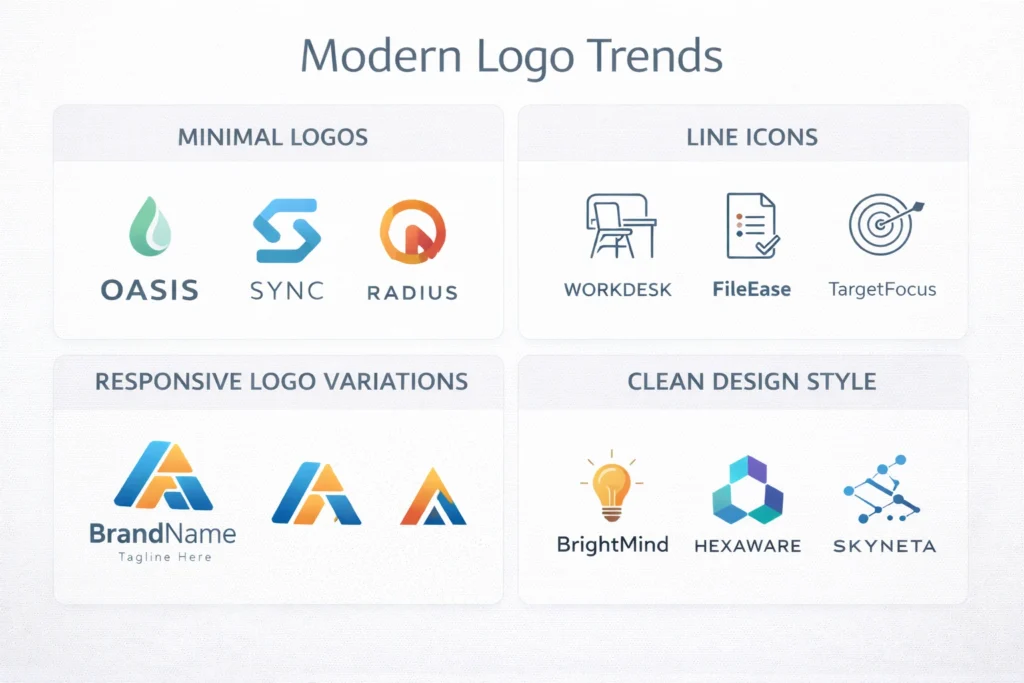
Logo Design Trends in 2025
While logos should be timeless, some trends influence design:
- Minimal line logos
- Custom typography
- Responsive logos
- Flat and clean design
- Dynamic logo systems
Use trends carefully and strategically.
How Long Does Logo Design Take?
A professional logo design process can take:
- 1-2 weeks for simple projects
- 3-4 weeks for detailed branding
Good logos take time-rushing harms quality.
How Much Should a Logo Cost?
Logo pricing depends on:
- Experience level
- Research depth
- Revisions
- Usage rights
A logo is an investment, not an expense.
Tips for Creating a Timeless Logo
- Keep it simple
- Avoid excessive trends
- Focus on clarity
- Design with purpose
- Think long-term
Timeless logos build long-lasting brands.
Conclusion
Logo design is a thoughtful and strategic process, not just a creative task. In 2025, successful logos are simple, meaningful, versatile, and aligned with brand values. By following a step-by-step logo design process-from research to final delivery-you can create logos that stand the test of time.
Whether you are a beginner designer or a brand owner, understanding this process will help you make smarter design decisions and build stronger brands.
