
Introduction
In today’s fast-paced digital world, businesses have only a few seconds to capture attention. Before a customer reads your content, understands your service, or compares prices, they see your design. This first visual impression plays a huge role in whether they trust your brand or move on to a competitor.
In 2025, good design is no longer a luxury-it is a business necessity. From logos and websites to social media posts and advertisements, design directly influences how customers perceive a brand, how they engage with it, and whether they decide to buy.
In this article, you’ll learn:
- Why good design matters in business
- How design impacts marketing performance
- The connection between design, trust, and sales
- Areas where businesses must invest in design
- Common design mistakes businesses make
- How good design delivers long-term value
This guide is ideal for business owners, marketers, startups, and designers.
What Is “Good Design” in Business?
Good design is not just about looking attractive. In business and marketing, good design is functional, clear, and purposeful.
Good design:
- Communicates clearly
- Supports business goals
- Enhances user experience
- Builds trust
- Strengthens brand identity
A visually appealing design that confuses users is not good design. The best designs are those that look good and work well.
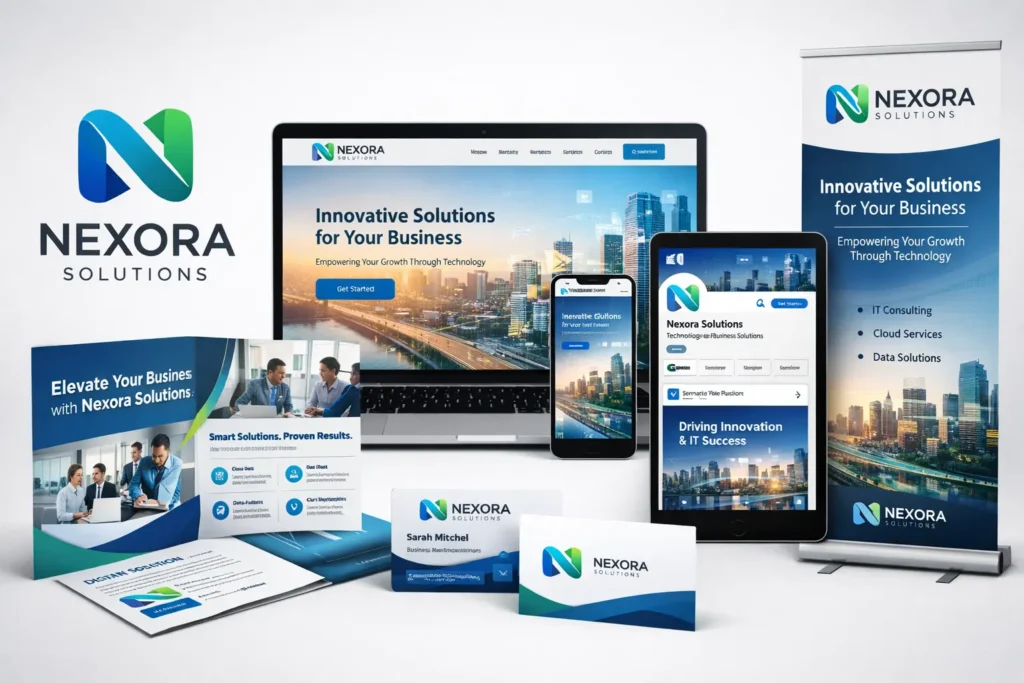
Why Good Design Is Critical for Businesses in 2025
Competition is higher than ever. Customers have unlimited options, and design often becomes the deciding factor.
Key Reasons Design Matters
- First impressions are visual
- Customers judge credibility quickly
- Digital platforms are crowded
- Attention spans are short
A poorly designed brand instantly signals lack of professionalism, even if the product is good.
Design Creates Strong First Impressions
People form opinions about brands within seconds.
What Customers Notice First
- Logo
- Website layout
- Color choices
- Visual consistency
If your design looks outdated or inconsistent, customers may assume your business is unreliable.
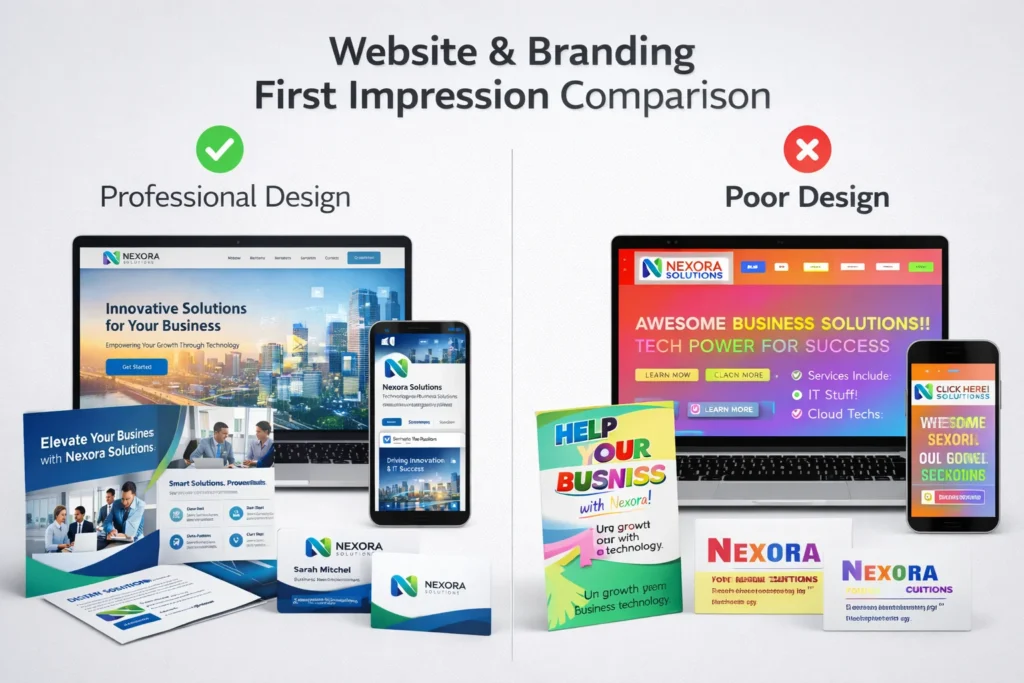
Design Builds Trust and Credibility
Trust is essential in business, especially online.
How Design Builds Trust
- Clean layouts feel professional
- Consistent branding feels reliable
- Readable typography improves clarity
- Balanced visuals feel organized
Customers are more likely to buy from brands that look trustworthy.
Design Improves Brand Recognition
Strong design helps people remember your brand.
Brand Recognition Comes From
- Consistent colors
- Recognizable logo
- Repeated visual patterns
- Unified design across platforms
When customers recognize your brand instantly, marketing becomes more effective and less expensive.
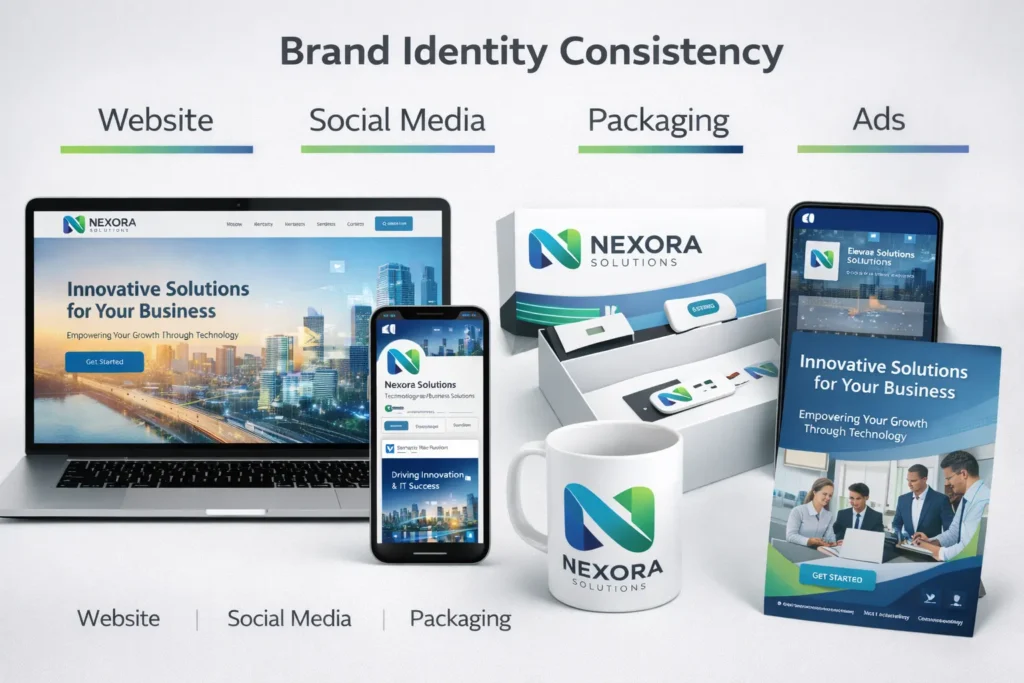
Design Plays a Key Role in Marketing Success
Marketing and design work together.
Good Design Helps Marketing By
- Increasing ad click-through rates
- Improving social media engagement
- Making content more shareable
- Enhancing campaign performance
Even the best marketing message can fail if the design doesn’t support it.
Design Influences Customer Decisions
Design affects how people feel-and emotions influence buying decisions.
Design Impacts
- Perceived value
- Emotional connection
- Purchase confidence
- Brand loyalty
Premium design often allows businesses to charge premium prices.
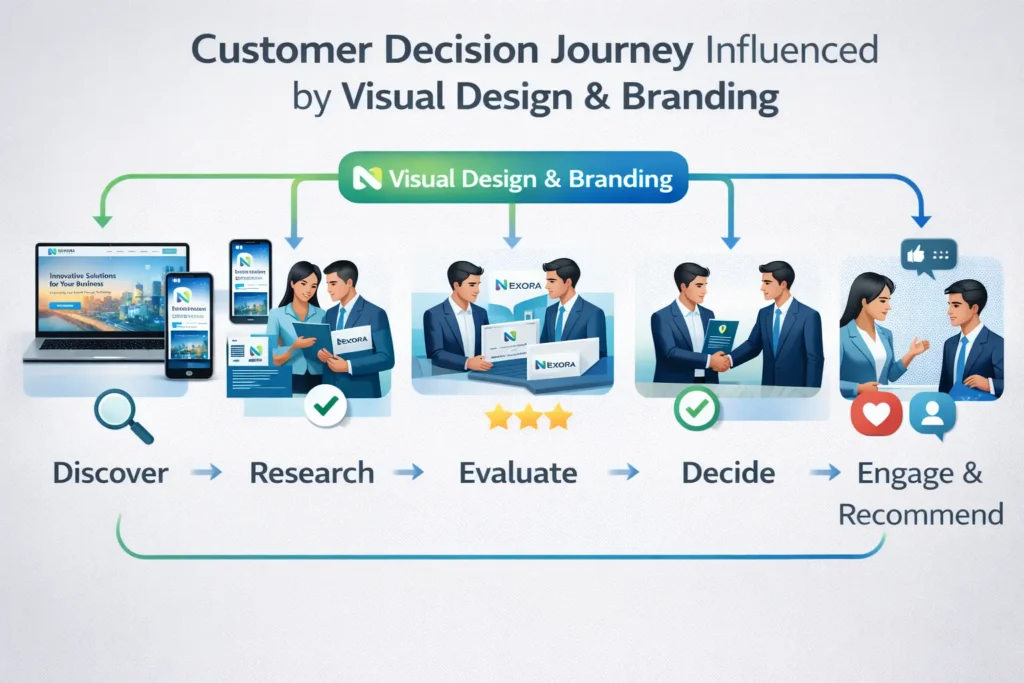
Key Business Areas Where Design Matters Most
1. Logo & Brand Identity
Your logo and visual identity represent your business everywhere.
Poor branding causes confusion. Strong branding builds familiarity and trust.
2. Website & User Experience
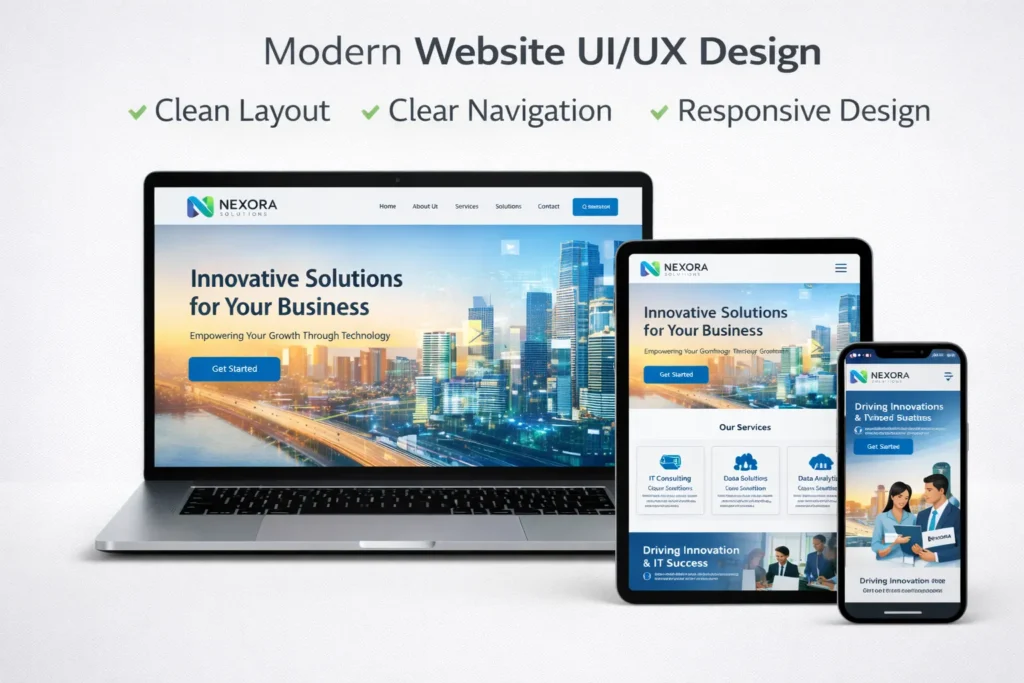
Your website is often your main sales tool.
Good Website Design
- Loads fast
- Is easy to navigate
- Looks professional
- Works on all devices
Bad design leads to high bounce rates and lost sales.
3. Social Media Marketing
Social media is highly visual.
Design determines whether users:
- Stop scrolling
- Engage with your content
- Follow your brand
Strong visuals increase reach and engagement significantly.
4. Advertising & Promotions
Design directly affects ad performance.
Well-designed ads:
- Grab attention
- Communicate faster
- Convert better
Poorly designed ads waste money.
Design vs Price: What Do Customers Value More?
In many cases, customers associate good design with higher quality.
Even when prices are similar, people often choose:
👉 the brand that looks more professional.
Design influences perceived value more than many businesses realize.
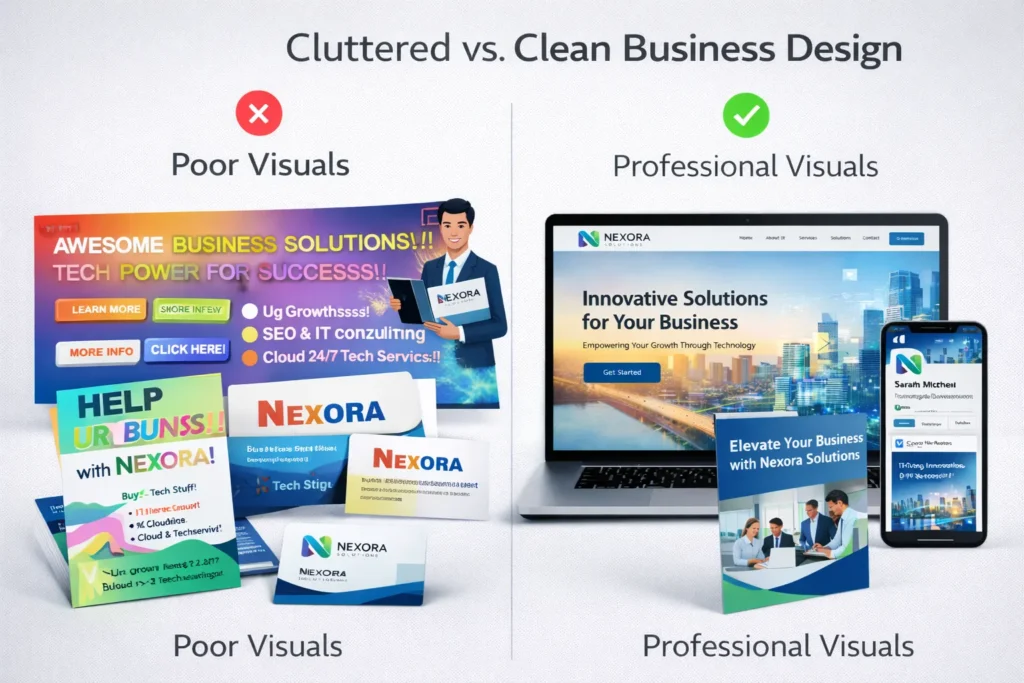
Common Design Mistakes Businesses Make
Avoid these mistakes if you want growth:
- Inconsistent branding
- Overcrowded visuals
- Poor typography
- Ignoring mobile users
- Using outdated design styles
These mistakes reduce credibility and hurt marketing results.
Good Design Saves Money in the Long Run
While good design requires investment, it saves money over time.
How Design Saves Costs
- Fewer redesigns
- Better marketing performance
- Stronger brand recall
- Higher customer retention
Design is an investment, not an expense.
Design Trends Businesses Should Be Aware of in 2025
While timeless design is important, awareness of trends helps brands stay relevant.
Popular Trends
- Minimal layouts
- Bold typography
- Brand storytelling
- Personal and human visuals
- Consistent multi-platform branding
Trends should support your brand-not replace strategy.
When Should a Business Improve Its Design?
You should consider upgrading your design if:
- Your brand looks outdated
- Engagement is low
- Conversion rates are poor
- Competitors look more professional
Design improvements often lead to immediate performance gains.
How Designers and Businesses Can Work Better Together
Successful design projects require collaboration.
Best Practices
- Clear goals
- Honest feedback
- Respect for strategy
- Focus on users
When design and business align, results improve.

Conclusion
Good design is one of the most powerful tools in business and marketing. In 2025, it influences how customers perceive brands, how marketing performs, and how businesses grow. Design is no longer about decoration-it is about communication, trust, and results.
Businesses that invest in good design gain:
- Stronger brand identity
- Better marketing performance
- Higher customer trust
- Long-term growth
In a competitive market, good design is not optional-it is essential.
